
The Japanese aesthetic, renowned for its meticulous attention to detail and harmonious blend of form and function, now graces the world of pet travel bowls. This exploration delves into the unique design principles, cultural influences, and practical considerations behind this burgeoning trend. From the choice of natural materials to the symbolism embedded within patterns, this aesthetic promises a captivating journey into a new realm of pet care.
This aesthetic transcends mere practicality, offering pet owners a way to imbue their pet’s daily routines with a touch of refined beauty. The design elements, informed by centuries of Japanese artistry, are meticulously crafted to complement both the pet’s needs and the owner’s desire for a sophisticated, functional item.
Defining the Aesthetic
The Japanese pet travel bowl aesthetic embodies a refined approach to pet care, blending functional design with traditional Japanese aesthetics. This style prioritizes simplicity, natural materials, and a mindful connection between pet and owner. It’s not merely about the bowl itself, but also the overall atmosphere and experience it evokes.This aesthetic draws inspiration from Japanese design principles like minimalism, craftsmanship, and a deep respect for nature.
It’s a departure from overly-stylized or brightly colored pet products, opting instead for muted tones and subtle details. The focus is on creating a serene and harmonious environment for the pet.
Visual and Design Elements
The key visual elements of the Japanese pet travel bowl aesthetic revolve around understated elegance. Smooth, clean lines are common, often avoiding sharp edges or overly complex shapes. Emphasis is placed on functionality and ease of use, making the bowls practical for daily pet care routines.
Colors and Materials
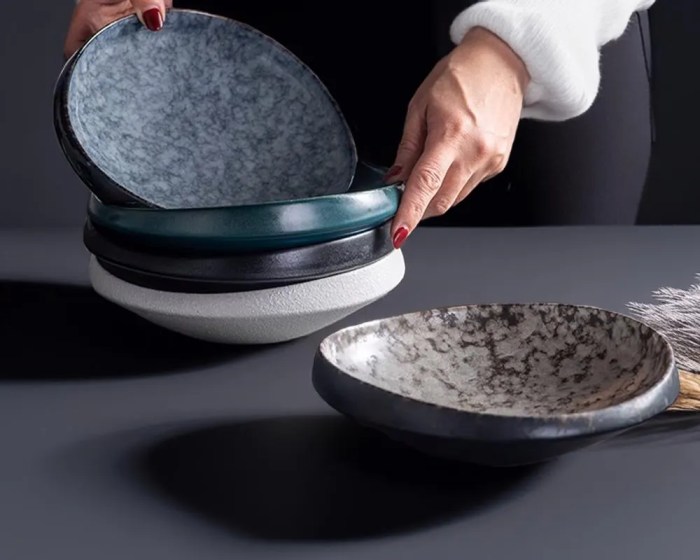
The color palette typically leans towards earthy tones, including muted greens, browns, grays, and blacks. These colors evoke a sense of calm and harmony, often echoing natural landscapes. Materials frequently used include ceramic, bamboo, and natural wood, highlighting the natural beauty of the materials. Examples include sleek, matte black ceramic bowls with subtle wood accents or bamboo bowls with a natural, unpolished finish.
Cultural Influences
This aesthetic draws heavily from Japanese design principles, such as wabi-sabi, which emphasizes the beauty of imperfection and natural simplicity. The focus on minimalism and respect for nature deeply influences the choice of materials and design. The emphasis on mindful living and a harmonious relationship between humans and nature also contributes to the overall aesthetic. The design principles are also often inspired by Japanese tea ceremony culture, where simplicity and the appreciation of natural beauty are paramount.
Key Differences from Other Styles
This aesthetic contrasts sharply with Western pet travel bowl styles, which often feature bold colors, patterns, and cartoonish designs. Japanese pet travel bowls prioritize subtle elegance and muted tones over visual exuberance. The focus on natural materials and understated design distinguishes it from other styles, which might employ plastic or synthetic materials. While Western designs often prioritize playful and engaging aesthetics, Japanese aesthetics emphasize tranquility and functionality.
Furthermore, the emphasis on respect for nature, reflected in the use of natural materials and subtle color palettes, is a key differentiator.
Design Elements and Materials
Japanese pet travel bowls, reflecting a deep-rooted aesthetic, prioritize both functionality and visual harmony. These bowls must be lightweight and portable, yet durable enough to withstand the rigors of travel. The incorporation of natural materials, with their inherent beauty and connection to nature, is key to achieving this delicate balance. Furthermore, materials must be easy to clean and maintain to ensure the health and well-being of the pet.The design of these bowls is deeply influenced by the appreciation for natural beauty within Japanese culture.
Materials are chosen for their visual appeal, often incorporating textures and patterns that complement the serene aesthetic. The emphasis on simplicity and functionality further reinforces the harmony between form and function.
Travel Bowl Design Concepts
Three distinct travel bowl designs, each embodying unique Japanese aesthetics, are proposed. These designs are conceptualized to appeal to pet owners who value both practicality and beauty.
- The “Bamboo Breeze” Bowl: This design emphasizes the natural elegance of bamboo. The bowl’s form is simple and minimalist, with a subtly curved profile. The bamboo’s natural grain adds a warm, earthy touch. A light, matte finish accentuates the natural beauty of the material. This bowl is ideal for smaller breeds and features a collapsible, compact design for easy storage.
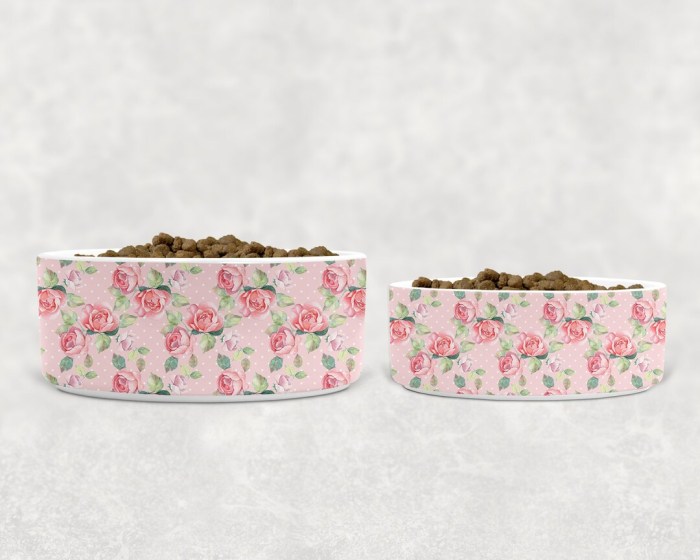
- The “Ceramic Cascade” Bowl: This design captures the fluidity and sophistication of Japanese ceramics. The bowl’s form is slightly more elaborate, featuring a gentle curve and a slightly wider base for stability. The bowl is available in a range of muted earth tones and subtle, intricate patterns, such as delicate floral designs. A smooth, polished finish enhances the bowl’s visual appeal.
The bowl is perfect for medium-sized dogs and cats and is designed with a secure lid to prevent spills during transport.
- The “Stonebrook” Bowl: This design evokes the quiet serenity of Japanese rock gardens. The bowl’s form is robust and angular, echoing the simplicity of natural stone. The bowl’s design features a muted gray-stone finish, accentuated by a subtle, textured pattern mimicking the surface of polished river stones. This material provides exceptional durability and resistance to scratches. This bowl is a good choice for larger breeds, as it is exceptionally sturdy and lightweight.
The bowl’s design also incorporates a leak-proof, collapsible design.
Natural Materials in Design
Natural materials, such as bamboo and ceramic, are chosen for their inherent beauty and eco-friendliness. Bamboo, with its sustainable qualities and natural grain, offers a strong connection to nature. Ceramic, with its wide range of colors and designs, allows for creative expression. The use of natural materials contributes significantly to the overall aesthetic by fostering a sense of serenity and connection with the environment.
Finishes and Textures
The chosen finishes for each bowl contribute to its unique character. A polished finish creates a sleek, contemporary look, while a matte finish enhances the natural beauty of the materials. A textured finish, such as a subtly embossed pattern, adds visual interest and a touch of elegance. These variations in finish elevate the aesthetic appeal of each bowl, creating a subtle distinction in style.
Material Suitability
The following table provides a comparative analysis of different materials for Japanese pet travel bowls, considering their aesthetic suitability, durability, and ease of cleaning.
| Material | Description | Aesthetic Suitability | Pros | Cons |
|---|---|---|---|---|
| Bamboo | Light, natural, eco-friendly | High | Biodegradable, sustainable, lightweight | Can be prone to scratches, susceptible to moisture damage if not properly sealed. |
| Ceramic | Durable, various colors and designs | Medium | Long-lasting, aesthetically versatile, resistant to scratches | Can be heavier, may require specialized cleaning depending on design. |
| Stainless Steel | Hygienic, durable, modern | Low | Easy to clean, rust-resistant, extremely durable | Can be less visually appealing, potentially cold to the touch. |
Functionality and Practicality
Japanese pet travel bowls prioritize both aesthetic appeal and practical usability. The delicate balance between form and function is crucial for ensuring a comfortable and stress-free experience for both the pet and their owner during travel. This extends beyond simple portability, encompassing aspects like ease of use, material durability, and food containment. Ultimately, a functional design translates to a happier and more relaxed pet.Careful consideration of the feeding process is paramount in travel bowl design.
Factors such as bowl shape, material, and size directly influence how a pet interacts with their food. The aesthetic choices must seamlessly integrate with these practical elements, creating a harmonious and visually appealing package. A visually pleasing bowl can also contribute to the pet’s enjoyment of mealtimes, reducing stress and anxiety often associated with unfamiliar environments.
Importance of Functionality in Design
Functionality in pet travel bowls is paramount. The bowl must be easy to clean, resistant to spills, and securely hold food. Lightweight materials and compact designs are crucial for portability. A well-designed bowl should minimize the risk of food spillage during transport, a key concern for owners. This aspect directly translates to a more stress-free and enjoyable travel experience for the pet.
Aesthetic Complementing Practicality
Aesthetic elements should enhance, not detract from, the functionality of the bowl. For instance, a bowl with a smooth, non-porous surface is both visually appealing and easy to clean, thus increasing the practicality. A minimalist design, employing clean lines and subtle color palettes, can maintain a visually appealing look while also being easy to store and transport. The color scheme should be compatible with the travel bag and not overwhelm the owner’s luggage.
Examples of Balanced Designs
Several designs effectively balance aesthetics and functionality. A travel bowl crafted from a lightweight, shatterproof material, such as a durable, high-quality silicone, while exhibiting a simple, elegant shape, demonstrates this balance. Alternatively, a collapsible bowl that can be stored flat and neatly in a bag, and yet has a spacious interior for a larger meal, provides both portability and functionality.
Bowl Shapes and Their Impact on Feeding
The shape of the bowl significantly impacts how a pet interacts with its food. A shallow bowl is ideal for most pets as it allows for easy access to all food items, promoting a faster feeding process. A deep bowl, however, encourages a slower feeding pace, which is beneficial for pets prone to gulping their food or those with specific dietary needs.
It’s also ideal for wet food as it prevents spilling.
Comparative Analysis of Bowl Shapes
| Bowl Shape | Functionality | Aesthetic Impact | Pet Type Suitability |
|---|---|---|---|
| Shallow | Easy to eat from, faster feeding, suitable for dry food | Simple, clean lines, lightweight appearance | Most pets, especially those with no dietary issues or eating habits |
| Deep | Good for wet food, prevents spills, encourages slower eating, good for pets with swallowing issues | More substantial, robust, potentially more visually appealing depending on design | Pets that prefer to eat slowly, those with swallowing issues, or those needing to control their intake |
Cultural Context and Symbolism
Japanese design, deeply rooted in tradition, often incorporates symbolism that conveys deeper meaning. This extends beyond aesthetics, reflecting cultural values and philosophical ideals. Applying this rich symbolism to pet travel bowls can create a unique and meaningful product, resonating with owners who appreciate the cultural heritage. It allows the bowl to transcend its functional purpose and become a statement piece that reflects the owner’s appreciation for Japanese artistry.Japanese design frequently uses visual metaphors, expressing concepts like harmony, balance, and nature’s rhythm.
These themes, carefully chosen, can enhance the pet travel bowl’s appeal, making it a meaningful addition to a home. Moreover, the use of symbolism can differentiate the product from generic pet supplies, appealing to a specific segment of the market interested in culturally relevant design.
Japanese Patterns and Motifs
Japanese design frequently employs intricate patterns and motifs, each with a specific symbolic meaning. These motifs, often inspired by nature, add a layer of visual interest and cultural significance to the pet travel bowl. The careful selection of motifs can communicate a specific message or emotion, enriching the product’s aesthetic appeal.
- The Crane (Tsuru): A powerful symbol of longevity and good fortune, the crane is a popular choice for decorative elements. In Japanese culture, the crane is often associated with the ability to overcome obstacles and achieve one’s goals. In the context of pet travel bowls, this motif could represent the hope for a long and healthy life for the pet.
- The Bamboo (Take): Symbolizing strength, resilience, and flexibility, bamboo is a common motif in Japanese art. Its adaptability can be a relevant theme for a pet travel bowl, reflecting the pet’s ability to adjust to different environments.
- The Wave (Nami): The wave, representing the dynamism and power of nature, is another potent symbol in Japanese design. It can be incorporated into the bowl’s shape or design to suggest a sense of movement and adaptability.
- The Cherry Blossom (Sakura): Representing beauty, transience, and renewal, the cherry blossom is a beloved motif. The bowl can be adorned with delicate cherry blossom patterns to convey the beauty and fragility of life, and the renewal of seasons.
Colors and Materials
The selection of colors and materials in Japanese aesthetics is not arbitrary; each choice often carries symbolic weight. Careful consideration of these elements can significantly enhance the product’s emotional impact and cultural relevance.
- Red (Aka): A color associated with happiness, prosperity, and good fortune, red is a strong and bold choice. Its use can communicate the owner’s wishes for the pet’s well-being.
- Green (Midori): Symbolizing nature, growth, and renewal, green is a soothing and calming color. Its use can create a sense of tranquility and connection with nature.
- Natural Materials (Bamboo, Wood, Porcelain): Japanese design often favors natural materials like bamboo, wood, and porcelain. These materials are not only aesthetically pleasing but also reflect a respect for nature and craftsmanship.
Common Japanese Patterns and Meanings
| Pattern | Meaning |
|---|---|
| Aoi (葵): | A stylized palm leaf pattern, signifying prosperity and strength. |
| Karakusa (唐草): | A vine-like pattern, symbolizing continuity and growth. |
| Hoshi (星): | Stars, representing hope and the cosmos. |
| Kiku (菊): | Chrysanthemum, symbolizing longevity and nobility. |
Target Audience and Market Analysis
Japanese-aesthetic pet travel bowls present a compelling niche market opportunity. This segment taps into the growing trend of pet humanization, where pet owners increasingly prioritize their animal companions’ well-being and aesthetic needs. The market demands innovative and thoughtfully designed products that cater to both the practical and emotional aspects of pet ownership.The target audience for these specialized bowls extends beyond the typical pet owner.
It encompasses a discerning segment of pet enthusiasts who appreciate meticulous design, quality materials, and the cultural symbolism imbued in the Japanese aesthetic. These consumers are often willing to invest in products that reflect their lifestyle values and express their appreciation for their pets.
Potential Target Audience
This market is likely to be composed of affluent, design-conscious pet owners. They are likely to reside in urban areas, where space is often at a premium, and where pet-related accessories and aesthetics are frequently featured in social media. These individuals value quality and style, frequently seeking items that reflect their own personal taste and elevate their pet’s experience.
Needs and Preferences
The needs of this audience are multifaceted. They prioritize durability and hygiene, ensuring the bowls are robust enough for travel and easily maintainable to prevent bacterial growth. Furthermore, ease of cleaning and portability are crucial, as pet owners often need products that are adaptable to various environments. Aesthetic appeal is equally important, with consumers desiring bowls that are not only functional but also visually pleasing and aesthetically harmonious with their lifestyle and pet’s environment.
Competitive Landscape
The pet travel bowl market is competitive, with various manufacturers vying for market share. Competition exists across diverse price points, ranging from budget-friendly plastic options to premium, handcrafted ceramic bowls. This competitive landscape necessitates a clear differentiation strategy. The Japanese aesthetic provides a unique opportunity to position products as more exclusive and culturally relevant.
Successful Product Examples
Several products successfully leverage similar aesthetic elements, creating a unique identity in the marketplace. For example, brands focusing on sustainable materials like bamboo or recycled plastic are proving popular with eco-conscious consumers. Similarly, products emphasizing minimalism and clean lines, often found in Scandinavian design, have achieved success by appealing to a broad aesthetic sensibility.
Market Segmentation
| Demographic | Needs | Preferences |
|---|---|---|
| Pet owners (affluent, urban dwellers) | Durable, hygienic, easy to clean, portable, stylish | Visually appealing, aesthetically pleasing, reflects their lifestyle values, potentially with cultural symbolism |
| Pet owners (design-conscious) | Durability, easy maintenance, visually pleasing, functional | Aesthetically pleasing, unique design, high quality materials |
| Eco-conscious pet owners | Durability, hygiene, ease of cleaning, environmentally friendly materials | Sustainable materials, reduced environmental impact |
Production and Manufacturing Considerations
Crafting high-quality Japanese pet travel bowls requires meticulous attention to detail throughout the production process. This necessitates careful selection of materials, adherence to ethical manufacturing standards, and streamlined production methods that respect the aesthetic vision. The success of these bowls hinges on understanding the nuances of both the target market and the manufacturing environment.
Challenges and Opportunities in Production
Producing Japanese-aesthetic pet travel bowls presents several challenges. Finding artisans skilled in traditional Japanese craftsmanship while meeting modern production demands can be difficult. The delicate nature of some materials, such as high-quality ceramics or lacquered wood, can increase the risk of breakage during transport and handling. Furthermore, ensuring consistency in quality across a larger production run while maintaining the desired aesthetic is crucial.
However, these challenges also represent opportunities. The growing interest in sustainable and ethically produced goods creates a niche market for such products. Partnerships with skilled Japanese artisans and innovative manufacturing techniques can elevate the brand and appeal to environmentally conscious consumers.
Sourcing High-Quality Materials
The choice of materials directly impacts the bowl’s aesthetic, durability, and safety for pets. Japanese-style aesthetics often incorporate natural materials like bamboo, wood, or ceramic. For example, selecting bamboo from sustainable sources and ensuring proper kiln firing for ceramic pieces is vital. Partnerships with reputable suppliers committed to sustainable forestry and responsible mining practices are critical. The quality of these materials will not only determine the bowls’ durability but also their appeal to customers.
Strict quality control measures are necessary at each stage of the sourcing process.
Ethical Considerations in Manufacturing
Ethical manufacturing practices are paramount in the pet product industry. This includes fair wages for workers, safe working conditions, and environmentally friendly processes. Ensuring that the supply chain, from material sourcing to final product assembly, upholds these standards is essential. Transparency in the production process, allowing customers to trace the origin of materials and the labor involved, builds trust and reinforces brand image.
Using recycled materials where possible, and minimizing waste during manufacturing, further demonstrates ethical commitment.
Manufacturing Processes
Several manufacturing processes are suitable for producing Japanese-style pet travel bowls, each with its own set of advantages and disadvantages. Hand-crafting methods can ensure the unique aesthetic is preserved but might limit production scale. Modern manufacturing techniques can increase efficiency and maintain high quality. Combining traditional craftsmanship with modern machinery can strike a balance between artistic detail and mass production.
The selection of the optimal manufacturing method depends on factors such as the chosen materials, desired production volume, and brand values.
Flow Chart of Manufacturing Process
| Step | Description |
|---|---|
| 1. Material Sourcing | Selecting high-quality, ethically sourced materials. This includes confirming sustainable forestry and responsible mining practices. |
| 2. Pre-processing | Preparing the materials for manufacturing, such as cutting wood, shaping bamboo, or preparing clay for ceramic production. |
| 3. Manufacturing | Executing the chosen manufacturing process. This might involve hand-crafting, machine molding, or a combination of both. The process will vary based on the material. |
| 4. Quality Control | Rigorous inspection of each bowl to ensure adherence to design specifications, material quality, and safety standards. |
| 5. Packaging | Eco-friendly packaging designed to protect the bowls during shipping and transport, reflecting the brand’s values. |
| 6. Distribution | Efficient distribution channels to reach the target market. |
Marketing and Branding Strategies
Japanese pet travel bowls, with their unique aesthetic, demand a targeted marketing approach. Effective strategies must resonate with the desired consumer base, highlighting the bowl’s design, functionality, and cultural connection. This requires a meticulous understanding of the target audience’s preferences and expectations, and translating those into a compelling brand narrative.This involves more than just promoting the product; it’s about crafting a narrative that positions the bowls as desirable and aspirational, embodying the values and aesthetic preferences of the target demographic.
A strong brand identity will be critical to differentiate the bowls in a potentially saturated market.
Effective Marketing Strategies
Building brand awareness and generating demand for the Japanese pet travel bowls requires a multi-faceted marketing strategy. This involves leveraging digital platforms, engaging in strategic partnerships, and fostering a strong online community. Key strategies include targeted social media campaigns, influencer collaborations, and partnerships with pet-related businesses and events. The brand should also explore opportunities for collaborations with pet-care professionals and veterinarians, fostering credibility and trust among potential customers.
Communicating Brand Values and Aesthetic
The brand’s identity should be rooted in the product’s design and cultural inspiration. The brand narrative should clearly articulate the Japanese aesthetic principles, emphasizing craftsmanship, natural materials, and minimalist design. This should be consistently reflected across all marketing materials, from website copy to social media posts. For instance, showcasing the traditional Japanese techniques used in the bowls’ creation, like intricate lacquer work or the careful selection of bamboo, will resonate with the target demographic.
Examples of Effective Branding for Similar Products
Successful brands in the pet-care industry often prioritize a strong visual identity, engaging storytelling, and building trust. Brands like “Pawsitively Perfect” or “The Happy Hound” exemplify this, using visually appealing imagery, clear messaging, and a focus on pet well-being to connect with their target audience. Understanding their strategies and adapting them to the unique qualities of the Japanese pet travel bowls will be crucial.
Social Media Strategies
Social media plays a critical role in reaching the target audience. Strategies should focus on visual appeal, using high-quality photographs and videos to showcase the bowl’s aesthetic and functionality. Sharing user-generated content, such as pet owners showcasing their bowls in use, can foster a sense of community and authenticity. Utilizing relevant hashtags, engaging in conversations, and running contests can further enhance visibility and brand engagement.
A key aspect of this strategy is understanding the specific platforms where the target demographic spends their time.
Creating a Visually Appealing Brand Identity
A compelling brand identity should incorporate elements that reflect the product’s Japanese aesthetic. This includes color palettes inspired by nature, fonts that evoke traditional Japanese calligraphy, and imagery that showcases the bowls’ delicate craftsmanship. A cohesive visual language across all platforms, from the website to social media, is essential to create a strong brand perception. This could include the use of muted colors, such as soft greens and earthy browns, combined with a clean and minimalist design aesthetic.
Consider incorporating subtle Japanese motifs, like cherry blossoms or bamboo, into the brand’s logo or product packaging. This visual consistency reinforces the brand’s identity and enhances memorability.
Illustrative Examples
Japanese pet travel bowls are poised to capture a significant share of the pet accessory market, driven by a growing demand for aesthetically pleasing and functional products. This section delves into the visual appeal and design elements that contribute to this aesthetic, examining specific examples and the emotional connections they evoke.The success of these bowls hinges on their ability to transcend mere utility and resonate with pet owners seeking a harmonious blend of practicality and refined design.
Aesthetics play a pivotal role in this appeal, reflecting a broader cultural trend toward integrating pet companions into the lifestyle, emphasizing both comfort and beauty.
Detailed Descriptions of Different Bowls
These bowls, inspired by traditional Japanese aesthetics, showcase a spectrum of design elements that evoke feelings of tranquility and sophistication. They draw inspiration from nature, incorporating natural materials and organic shapes, with patterns and colors that complement the environment.
- Minimalist Zen Bowls: These bowls often feature a simple, clean design, typically crafted from natural bamboo or ceramic. The color palette is muted, drawing inspiration from the Japanese appreciation for subtle beauty. The bowls’ minimalist nature creates a serene atmosphere, perfectly fitting a calm and reflective pet’s environment.
- Hand-Painted Floral Bowls: These bowls incorporate intricate hand-painted floral patterns, often in shades of light blue, lavender, or pale green. The delicate floral motifs evoke a sense of elegance and grace, mirroring the Japanese appreciation for nature’s artistry. The bowls’ intricate details suggest a meticulous crafting process, reflecting a respect for the craft.
- Lacquered Wood Bowls: Lacquered wood bowls exhibit a smooth, polished surface and are often embellished with traditional Japanese motifs, like cherry blossoms or stylized waves. The lacquered finish adds a touch of sophistication, complementing the bowl’s aesthetic. The natural wood and delicate patterns combine to create a sense of warmth and artistry.
Design Elements and Their Impact
The specific design elements used in Japanese pet travel bowls significantly contribute to the overall aesthetic.
- Natural Materials: Bamboo, ceramic, and wood are frequently used, reflecting a deep connection to nature. The natural textures and warmth of these materials create a sense of comfort and authenticity.
- Subtle Color Palettes: Muted tones, such as earthy browns, soft greens, and delicate blues, are often employed, aligning with the Japanese appreciation for subtle beauty. These colors create a calming and sophisticated atmosphere, suitable for a variety of environments.
- Intricate Patterns: Traditional Japanese patterns, such as cherry blossoms, bamboo stalks, or stylized waves, add an element of cultural significance and visual interest. These intricate patterns enhance the bowl’s aesthetic appeal, drawing inspiration from Japanese artistic traditions.
Illustrative Example: A “Sakura Blossom” Bowl
Imagine a pet travel bowl crafted from smooth, light-grey ceramic. Delicate, hand-painted sakura (cherry blossom) motifs adorn the bowl’s surface, in shades of light pink and white. The bowl’s rounded, slightly asymmetrical shape evokes a sense of organic beauty, while the understated color palette complements various interior settings. The sakura design, a symbol of spring and renewal in Japan, suggests a sense of tranquility and gentle elegance.
The bowl’s smooth ceramic surface provides easy cleaning and durability, ensuring longevity and practicality.
Sustainability and Ethical Considerations
Japanese pet travel bowls, prized for their aesthetic and functionality, must also prioritize sustainable and ethical practices. Consumers increasingly demand products aligned with environmental consciousness and fair labor standards. This section explores the critical role of sustainability in the production process, examines ethical considerations, and Artikels methods for transparent communication of these values to the target audience.
Importance of Sustainable Materials
Sustainable materials reduce the environmental footprint of pet travel bowls. Using recycled or renewable resources minimizes reliance on finite materials and reduces waste sent to landfills. This approach fosters a more responsible and environmentally conscious production process.
Sustainable Materials and Manufacturing Practices
- Bamboo: A rapidly renewable resource, bamboo offers a lightweight and durable alternative to plastic or wood. Its inherent strength and natural aesthetic are well-suited for pet travel bowls. However, responsible sourcing and processing are crucial to ensure no deforestation occurs.
- Recycled Plastic: Repurposing plastic waste into durable, food-safe materials offers a significant step towards reducing plastic pollution. Manufacturers can utilize recycled plastics to create bowls with comparable strength and functionality to virgin materials. The key is identifying reliable sources of recycled plastic and ensuring proper processing methods.
- Bio-based Plastics: Bio-based plastics derived from plant materials like corn starch or sugarcane offer a more environmentally friendly alternative to petroleum-based plastics. They decompose more readily than conventional plastics, but the specific biodegradability depends on the exact composition and processing methods. Transparency regarding the material’s origin and processing is crucial.
- Plant-Based Coatings: Coatings derived from natural sources, like vegetable oils or resins, provide a protective layer for the bowls, reducing the need for synthetic materials. The sustainability of these coatings depends on the specific plants used and the manufacturing process.
Ethical Considerations in Sourcing
Ethical sourcing extends beyond materials. Fair labor practices are equally vital. Ensuring fair wages, safe working conditions, and freedom of association for workers involved in the manufacturing process is essential. A transparent supply chain allows for traceability and accountability, enabling consumers to support ethical production practices.
Communicating Ethical and Sustainable Aspects
Communicating the ethical and sustainable aspects of pet travel bowls to the target audience is paramount. Clear labeling and packaging that highlight the materials’ origin, recycling content, and manufacturing process will build trust and attract environmentally conscious consumers. Collaboration with NGOs or certification bodies that promote ethical and sustainable production can enhance the credibility of the brand. Marketing campaigns should underscore the commitment to responsible sourcing, transparent production, and environmental impact reduction.
Environmental Impact of Different Materials
The environmental impact of different materials used in pet travel bowls varies significantly. For example, manufacturing bamboo bowls might have a lower carbon footprint compared to plastic or metal bowls. Recycling content and manufacturing processes play a crucial role in the overall environmental impact.
Illustrative Example: Bamboo Bowls
“Bamboo is a rapidly renewable resource that grows quickly and requires minimal water compared to many other wood sources.”
Bamboo bowls, crafted from sustainably harvested bamboo, can represent a strong commitment to environmental responsibility. The natural aesthetic and inherent strength of bamboo further contribute to the product’s appeal. However, the traceability and certification of the bamboo supply chain should be clearly communicated. The bowl’s durability and longevity reduce the need for frequent replacements, minimizing the overall environmental impact.
Ending Remarks
The Japanese pet travel bowl aesthetic offers a compelling blend of aesthetics and functionality, appealing to a growing segment of pet owners who appreciate both beauty and practicality. The careful consideration of materials, design, and cultural context makes these bowls more than just feeding tools; they become cherished companions, reflecting the deep bond between humans and their animal companions.
The future of pet accessories appears to be beautifully designed, and environmentally conscious.
